Every homeowner searching for window replacement in Sarasota, FL, has likely heard the term “hurricane window”, but what actually counts as one, and why does it matter? At a time when protecting homes against high winds and flying debris is more pressing than ever, we often get asked if there are proper standards, meaningful ratings, and real advantages to choosing hurricane-rated windows. Let’s break down the essentials so you know exactly what to look for, how expectations meet real-world outcomes, and which choices stand head and shoulders above the rest.
How Official Building Codes Define a Hurricane Window
Hurricane windows aren’t just a marketing label. To qualify, a window must meet strict impact and wind resistance ratings established by state and federal building codes, particularly the Florida Building Code (FBC), which is among the most rigorous in the country. These codes are updated frequently, drawing on lessons from recent storms. Here’s what they require:
- Impact Testing: Windows are subjected to repeated strikes from a 2×4 beam at up to 50 feet per second, simulating storm-blown debris.
- Pressure Cycling: After impact, the window must withstand thousands of cycles of intense positive and negative air pressure, mimicking storm winds.
- Certification: Only windows tested and independently certified for impact resistance (often called “impact windows”) can legally be called hurricane windows in regions prone to hurricanes.
The rating label on each certified window will indicate compliance, so always check for the Notice of Acceptance (NOA) or Miami-Dade product approval, a gold standard for hurricane protection. This is not just paperwork; it’s your proof that a window can be trusted when a major storm rolls in.
Breaking Down Hurricane Window Ratings and Performance Classes
Not every hurricane window offers the same level of performance. Manufacturers and code authorities assign ratings based on:
- Performance Grade (PG): This number reflects the window’s resistance to wind and water, with higher values indicating greater resilience.
- Large-Missile and Small-Missile Impact Ratings: Large-missile ratings simulate debris thrown by strong hurricane winds; small-missile ratings replicate the force of flying roof gravel and similar projectiles.
- Glass Composition: Impact windows use multiple panes of specially treated laminated glass with durable polymer interlayers that hold the glass intact even after breakage.
When reviewing ratings, look for windows not just rated for your region’s requirements, but tested to exceed them. Keep in mind: It’s not just about glass frames; installation methods must function as a single system to prevent blowouts or leaks in extreme conditions.
The Real-World Benefits of Investing in Code-Compliant Impact Windows
Opting for genuine hurricane windows pays off in more ways than storm safety. Code-compliant impact windows:
- Provide year-round energy savings by sealing out heat, moisture, and drafts.
- Dramatically reduce outside noise to make your home noticeably quieter.
- Offer round-the-clock protection with no need for last-minute storm prep or shutters.
- Can lower insurance costs due to reduced storm risk.
- Increase resale value by meeting rigorous inspection criteria and offering peace of mind to new buyers.
Our experience tells us that many Clearview Windows & Doors Inc customers are drawn most to the idea of lasting confidence, protection during hurricane season and comfortable living year-round.
What Testing and Certifications Guarantee True Hurricane Protection?
Not sure if a window’s claims are trustworthy? Third-party certifications, specifically Miami-Dade County approvals and Florida Product Approvals, take the guesswork out. Test procedures involve both rocket-like debris impacts and sustained high pressures. To display these certifications, products must pass every single requirement without compromise. That’s why savvy homeowners and contractors always check official approval databases before making a decision.
How Do Hurricane Windows Differ from Standard Replacement Windows?
The core difference is layered impact resistance. Unlike standard windows, hurricane windows use rigid interlayer laminates bonded between sheets of glass, much like a car windshield. In a storm, even if the outer glass shatters, the laminate holds it together and prevents dangerous debris from entering. Additionally, they often come with reinforced frames and upgraded hardware to resist the fierce forces unleashed by hurricane winds.
Is Professional Installation Important for Hurricane Window Performance?
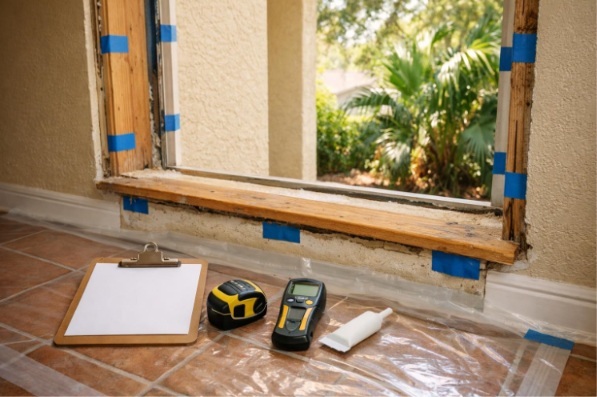
Absolutely. Even the highest-rated window can fail if improperly installed. Certified installers use specialized anchors, waterproofing techniques, and methodical testing to ensure that every opening meets or exceeds building code requirements. This guarantees not just compliance, but the whole, advertised level of protection in a storm, along with the security of a manufacturer’s warranty.
Looking for peace of mind in every season? When it’s time to upgrade your window replacement in Sarasota, FL, rely on Clearview Windows & Doors Inc for honest advice, certified products, and professional installation that you and your family can trust, especially when the wind picks up. Contact us today for a no-obligation consultation and discover how genuine hurricane windows can protect everything you love.