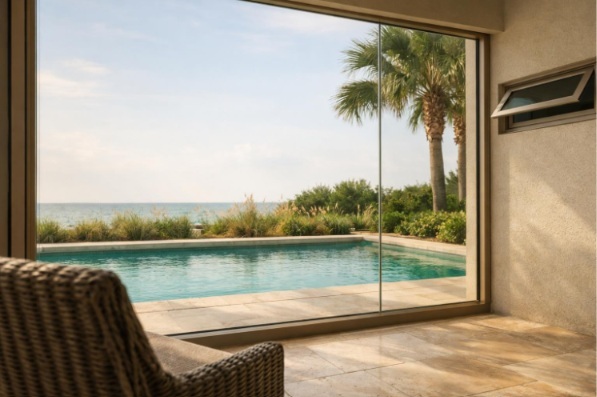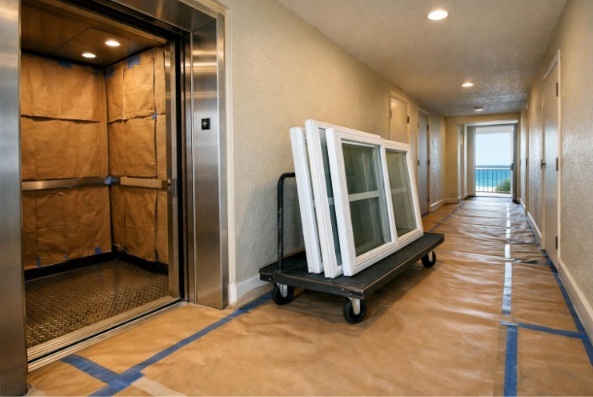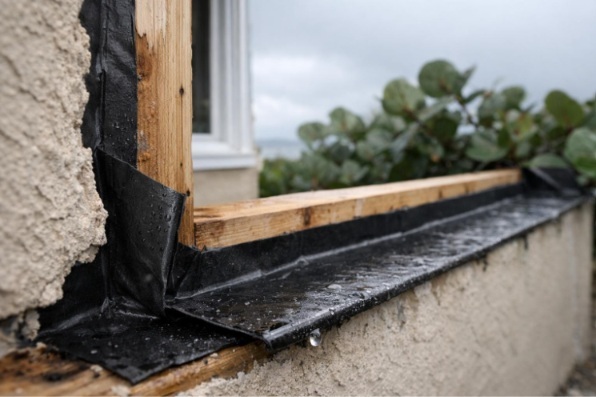
Living by the coast is a dream for many, with expansive views, fresh breezes, and the soothing sound of waves. However, for homeowners seeking Longboat Key, FL replacement windows and doors, the coastal lifestyle comes with a unique challenge: relentless salt air. This hidden culprit tests every window and door in your home, targeting the hardware first. Let’s explore what rusts fastest, how salt corrosion works, and most importantly, proven strategies we use to keep your home’s windows and doors looking and functioning beautifully, season after season.
How Salt Air Impacts Window and Door Hardware
Coastal air, laden with salt and moisture, is the primary enemy of metal fixtures, especially window and door hardware such as locks, hinges, handles, and screws. Salt accelerates corrosion, causing exposed metal surfaces to degrade rapidly. Even top-of-the-line windows can disappoint if their hardware succumbs to rust, leading to stiff handles, stubborn locks, and frustrating repairs. This risk is amplified in regions where daily breezes can carry salty mist indoors and onto every exposed surface.
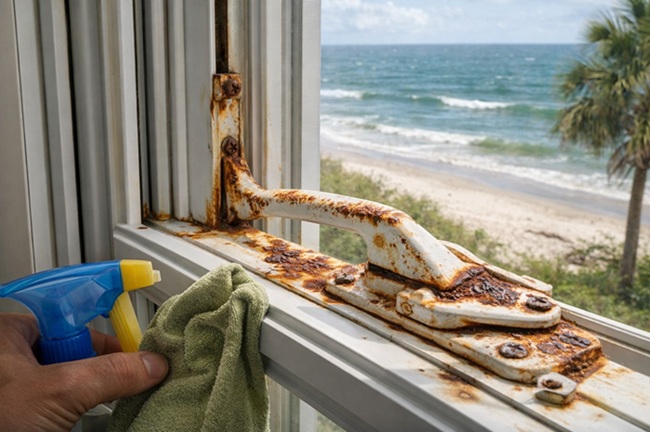
Unprotected metals, such as standard steel or untreated aluminum, are the first to show signs of rust. Tiny pits, orange, brown streaks, or powdery white deposits often develop within months if not properly safeguarded. For homeowners who invest in quality, understanding the lifecycle of window hardware ensures confidence in every purchase.
Which Window and Door Hardware Rusts First, and Why
Not all metals react to salt exposure equally. Some popular window and door hardware materials vary significantly in their resistance:
- Bare Steel: Highly susceptible, rusting within days or weeks when exposed to salt.
- Aluminum: Develops oxidation (a whitish corrosion) but does not typically rust like steel; however, lower-grade alloys may pit.
- Brass and Bronze: Generally more resistant, forming a protective patina, but still vulnerable over time.
- Stainless Steel: Offers the best salt resistance, especially marine-grade (316) varieties, but lower grades can still develop spots.
- Zinc, Alloy: Typically used in budget hardware; can corrode and pit when protective coatings fail.
Many manufacturers cut corners by using lower-quality metals or applying thin protective coatings. At Clearview, quality hardware starts with thoughtful engineering and proven materials tailored to our unique coastal climate.
Proactive Steps: How to Prevent Rust in Coastal Window and Door Hardware
The fight against salt air begins with prevention. We encourage you to follow these practical, research-backed strategies for keeping your window and door hardware in great shape:
Choose Marine, Grade Hardware
When selecting new hardware, opt for stainless steel (preferably 316 grade), brass, or anodized aluminum. These materials are engineered for durability in salty conditions.
Apply Protective Coatings
Hardware with powder-coated finishes or specialized marine-grade coatings offers added barriers against salt.
Frequent Cleaning
Rinse exterior window and door hardware with fresh water every few weeks to remove salt deposits. Use a soft cloth, never abrasive pads.
Routine Inspections
Check hinges, locks, and screws for early signs of rust or pitting. Early intervention, cleaning, or replacing affected items, prevents larger issues down the line.
Professional Maintenance
Schedule expert checkups every year. Professionals can reapply protective lubricants and spot developing corrosion before it spreads.
Partnering with a specialist who understands the coastal environment, like Clearview, ensures your investment lasts longer and looks better.
Benefits of Investing in Corrosion-Resistant Windows and Doors
Corrosion-resistant hardware is more than an upgrade; it’s peace of mind. By investing in high-qsuality materials and low-maintenance finishes, you experience:
- Effortless operation for years, without sticking or creaking.
- Reduced ongoing maintenance and fewer unexpected repairs.
- Enhanced property value and curb appeal.
Just as significant, smart upgrades keep your windows and doors as beautiful as the day they were installed, even in challenging coastal environments.
What to Do When You See Signs of Rust
Spotting early signs of hardware corrosion is not a cause for panic but rather a helpful prompt. Surface discoloration or minor roughness can be gently polished away with appropriate cleaners. For more advanced rust, temporary protective sprays can help prevent further deterioration while you schedule a professional assessment. Don’t ignore stuck or squeaky hardware; it could be a sign that internal parts are corroding, putting your security at risk.
Why Trust Experience and Reputation in Window and Door Installations
Your home deserves products and solutions that reflect both your lifestyle and local realities. Because of our decades of experience with Florida’s unique climate, we rigorously vet every product we offer. Our factory-trained installers and thoughtful, consultative approach mean you get recommendations tailored to your property, not a one-size-fits-all fix. Social proof, satisfied neighbors, and stellar reviews speak to our reliability and craftsmanship. Transparency in process, communication, and after-sales support means you’re never left without answers.
Common Questions About Salt Air, Rust, and Home Protection
How quickly does hardware typically rust in coastal environments?
Window and door hardware can start to corrode within only a few weeks if exposed directly to salty breezes and frequent rain. The pace depends on the metal, the quality of coatings, and how regularly you perform maintenance. Cheaper steel hardware left unprotected will develop visible rust much faster than marine-grade stainless steel or brass.
Can standard window hardware be upgraded for better corrosion resistance?
Absolutely. Existing hardware can often be replaced with stainless steel or brass components designed for coastal conditions. If whole, window, or door replacement isn’t necessary, targeted upgrades to handles, locks, and hinges can make a big difference in durability, sometimes extending lifespan by several years.
What are the hidden costs of letting rust go unchecked?
Neglected corrosion leads to stiff operation, breaking points, and cascading damage, not just to hardware, but sometimes to frames and sashes themselves. Over time, unchecked rust may force whole window or door replacements instead of simple hardware swaps, increasing costs and downtime for homeowners.
At the end of the day, protecting your home from coastal corrosion requires knowledge, vigilance, and the right partner. If you want Longboat Key, FL replacement windows and doors that stand up to the demands of salt air, we invite you to experience the Clearview Windows & Doors Inc difference, where expertise, premium materials, and integrity meet every project. For trusted advice or tailored recommendations, reach out so we can help you create a lasting, beautiful home.