Living near the coast comes with its perks, stunning water views, relaxing breezes, and invigorating sunshine. But managing the long-term performance of your home’s enhancements, exceptionally specialized glass, can be tricky. For homeowners considering window replacement in Bradenton, FL, choosing tinted, gas-filled windows offers comfort and efficiency, but maintaining them requires local know-how and intentional care. Understanding the unique coastal climate challenges helps extend your investment and keeps everything clear and beautiful.
Why Humid Coastal Conditions Impact Window Performance
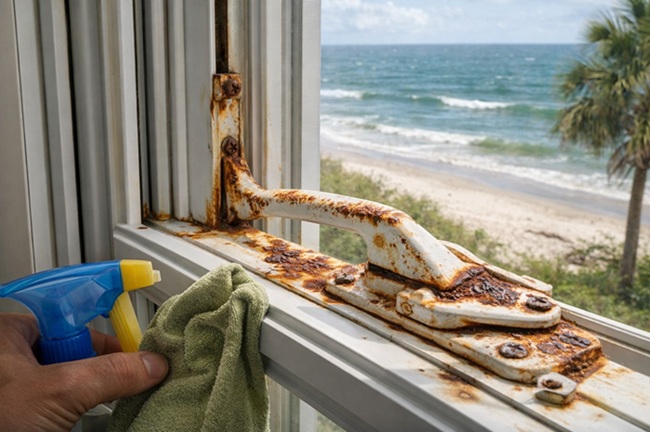
Coastal humidity is more than just a comfort issue. The salty air, persistent moisture, and temperature swings accelerate wear on window seals, glass coatings, and frames. For tinted, gas-filled windows designed for efficiency, UV protection, and noise reduction, such conditions can increase the risk of fogging, corrosion, or fading if neglected.
The argon or krypton gas, insulated between the panes, boosts energy savings, but it’s vulnerable to leaks if the seals degrade. Tinted films offer privacy and glare protection, but they require gentle care to avoid scratches or peeling. Recognizing these environmental factors is the first step toward maintaining peak window function and appearance.
Best Practices for Cleaning Tinted & Gas-Filled Windows Without Damage
A careful approach is critical for maximizing the life of your specialty windows. Routine cleaning, using methods and products safe for both tints and gas seals, preserves their integrity for years:
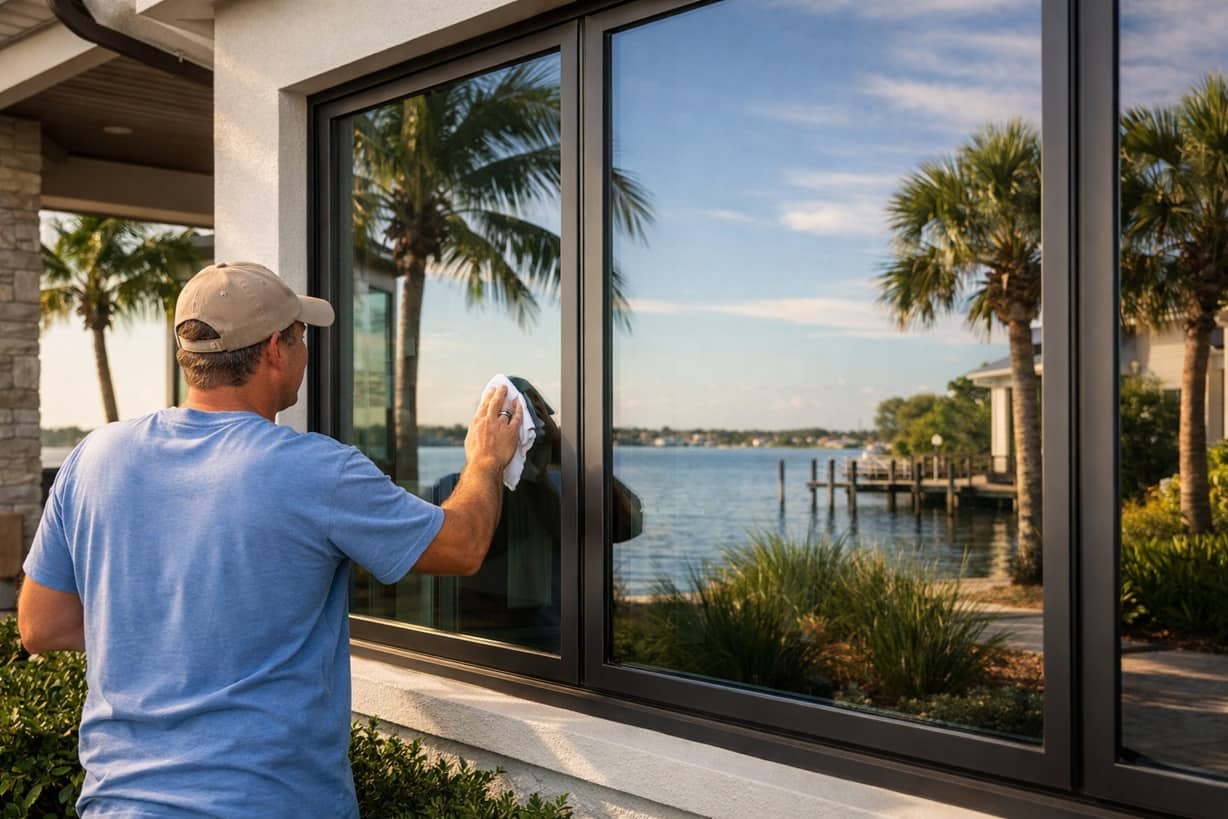
- Use gentle, non-abrasive cleaners: Opt for a mild soap-and-water mix or a dedicated glass cleaner labeled safe for tints; harsh chemicals like ammonia can deteriorate films and seals.
- Soft tools only: Always choose microfiber cloths or soft sponges over abrasive pads to protect the delicate surface of window tints.
- Spot clean first: Address drips and debris before doing larger passes to avoid dragging grit across the glass.
- Wipe with care: Clean edges and corners gently, as these areas are where the tint starts to peel and where gas seals are most vulnerable.
Cleaning frequency should increase during seasons of heavy pollen, storms, or after hurricane threats, since wind-driven salt and sand can speed up deterioration.
Proactive Steps to Prevent Humidity-Related Window Issues Year-Round
Humidity affects nearly every building material, including windows. For optimal performance of your tinted and gas-filled windows, take these ongoing protective measures:
- Inspect seals regularly: Look for condensation between panes, which signals a gas leak or failing seal.
- Keep frames dry and clear: Wipe away any standing water after storms, especially on sills and sliding tracks, to prevent mold and water intrusion.
- Ventilate whenever possible: Use ceiling fans and kitchen and bathroom vents to reduce interior moisture levels.
- Apply water repellent to exteriors: This can help water bead off and protect frames from prolonged wet exposure.
- Schedule annual tune-ups: Have your window professional check gas retention and reseal or adjust as necessary to preserve efficiency.
By incorporating these habits, you can proactively mitigate the effects of coastal weather and maximize your return on investment.
How Long Do Tinted or Gas-Filled Windows Typically Last in Coastal Climates?
With proper maintenance, tinted, gas-filled windows can last 15–20 years or more, even in humid coastal regions. The key factors influencing longevity are the quality of the initial installation, the type of window material, and ongoing care. Windows in these environments face harsher exposure and may require closer attention to seals and coatings, but regular cleaning and inspections can prevent premature replacement.
What Should I Do If My Windows Fog or Lose Their Tint?
If you notice persistent fogging between panes, this means the gas insulation has leaked out and its energy efficiency is compromised. In this case, a window professional should assess whether the pane or the entire window needs to be replaced. If tinting is scratched, peeling, or bubbling, it’s best to avoid home remedies. The safest option is having the film professionally replaced to maintain both appearance and functionality.
Can Professional Services Extend the Life of My Coastal Windows?
Absolutely, window professionals have the right tools and expertise to detect hidden issues such as deteriorating seals or microscratches in tints. Scheduled maintenance appointments allow technicians to recalibrate, reseal, or refinish windows, preventing minor issues from becoming expensive problems later. Local experts understand the challenges of coastal living and recommend the right care plan for year-round protection.
For homeowners serious about long-term savings and clear views, we recommend regular checkups, gentle cleaning, and proactive inspections by trusted specialists. If you want efficiency, comfort, and peace of mind, consider partnering with experienced professionals for your window replacement in Bradenton, FL. At Clearview Windows and Doors, we’re committed to helping your home excel in even the harshest coastal conditions. Call us today to schedule your personalized care plan.