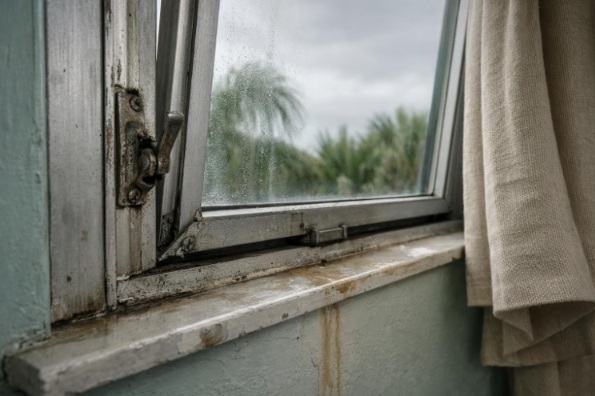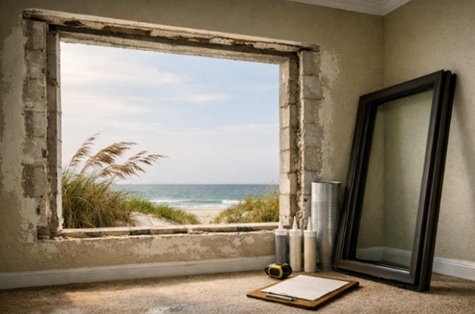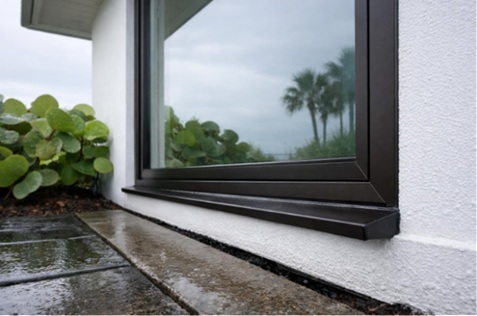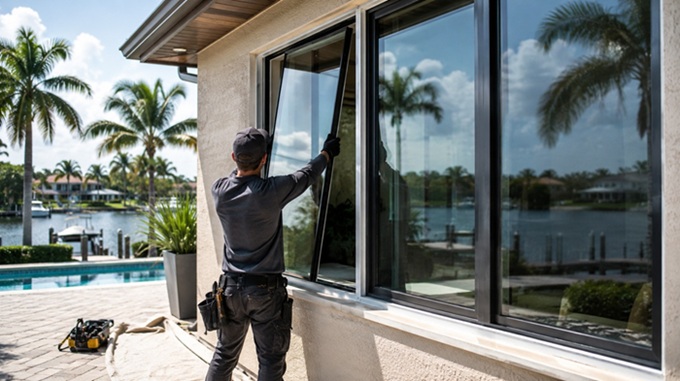
In Florida, windows do more than bring in sunlight. They also control how much heat enters the home, how hard the HVAC system works, and whether a room stays comfortable in the afternoon. That is why many homeowners looking into window replacement in Bradenton, FL, are asking more questions about Low-E glass instead of focusing only on frame styles or hurricane ratings.
A lot of people assume darker tint means better performance. In reality, some heavily tinted windows still allow significant solar heat into the home. Low-E glass works differently. It uses an ultra-thin metallic coating that reflects infrared heat while still allowing natural light to pass through. The result is a brighter home without the harsh temperature swings that many Florida homeowners deal with daily.
Why Florida Sun Creates More Window Problems Than Most Homeowners Expect
Florida homes take direct sun exposure for long stretches of the day. West-facing rooms usually suffer the most. We often walk into homes where one side of the house feels five to eight degrees warmer than the rest, even when the air conditioner is running nonstop.
The problem is not just sunlight. It is solar heat gain.
Standard glass allows infrared heat to pass through easily. Once that heat enters the home, it gets trapped inside. Floors, furniture, and walls absorb it and continue releasing warmth long after sunset. That lingering heat forces the HVAC system to cycle longer and more frequently.
One issue homeowners rarely notice right away is uneven strain on the HVAC system. Rooms with older glass often require more airflow to stay comfortable. Over time, that imbalance can shorten blower motor life and create humidity problems in certain parts of the home.
How Low-E Coatings Reduce Heat Without Making Rooms Feel Dark
Many people worry that energy-efficient glass will make the house feel dim or reflective from the inside. Modern Low-E coatings are far more advanced than older window films.
The coating is microscopically thin and applied directly to the glass surface. It reflects heat energy while still allowing visible light into the room. That balance matters in Florida because homeowners want daylight without turning living rooms into greenhouses.
Here is where performance becomes important:
- Low-E glass helps reduce interior fading caused by UV exposure
- It cuts down glare on televisions and computer screens
- It helps maintain more stable indoor temperatures throughout the day
- It lowers solar heat transfer that increases cooling costs
One overlooked benefit is how Low-E glass improves comfort near the window itself. Older windows often create hot zones where sitting near the glass feels uncomfortable by midday. With upgraded Low-E products, the glass surface stays significantly cooler.
What Happens When Windows Lack Proper Solar Control
We recently worked with a homeowner whose upstairs bonus room became unusable every afternoon. The AC unit was relatively new, so they assumed the system was undersized. After inspection, the real problem was clear. Their large west-facing windows had outdated clear glass with almost no solar protection.
By late afternoon, the room temperature consistently climbed despite the thermostat setting. Sunlight heated the flooring and furniture so aggressively that the room continued radiating heat into the evening.
After replacing those windows with impact-rated Low-E glass, the room stabilized noticeably within days. The HVAC system cycled less frequently, and the homeowner stopped relying on blackout curtains to make the space livable.
That situation is common in Florida homes built before modern energy codes became stricter.
Why Cheap Window Glass Can Create Long-Term Energy Problems
Not all Low-E products perform the same way. Some entry-level windows advertise Low-E coatings but still allow excessive solar heat gain because the glass package is too weak for Florida conditions.
This becomes especially important with large openings like sliders, picture windows, and sunrooms.
A common mistake is choosing windows based only on visible appearance or price. We have seen homeowners invest in replacement windows that technically met code requirements but still performed poorly during peak summer months because the Solar Heat Gain Coefficient was too high.
That matters because cooling costs in Florida are not just seasonal. Air conditioning runs most of the year.
Poor-performing glass can also create condensation issues around frames when indoor humidity and exterior heat interact unevenly. Many homeowners assume moisture around windows automatically means installation failure when the actual issue is improper glass performance for the climate.
Why Low-E Glass Works Well With Impact Windows in Coastal Florida
Impact windows already provide major protection during storms, but pairing them with quality Low-E glass adds another layer of performance homeowners notice every day.
Florida homes face two constant challenges:
- Hurricane exposure
- Intense solar heat
Combining impact-resistant construction with advanced Low-E coatings addresses both problems at once. The home becomes more comfortable, quieter, and more energy efficient without sacrificing natural light.
Another non-obvious benefit is reduced interior stress on window treatments and flooring materials. Constant UV exposure can warp blinds, fade hardwood finishes, and break down furniture fabrics faster than many people realize.
That damage often starts long before homeowners notice visible fading.
Does Low-E Glass Really Lower Cooling Bills?
Yes, but the savings depend heavily on the condition of the existing windows and the orientation of the home. Homes with large sun-facing glass areas usually see the biggest improvement because Low-E coatings reduce solar heat before it enters the living space.
The biggest difference many homeowners notice first is not the utility bill. It is comfort consistency. Rooms stay usable throughout the day without fighting hot spots or overworking the thermostat. In Florida climates where air conditioning runs nearly year-round, even moderate reductions in heat gain can make a measurable difference over time.
Is Low-E Glass Worth It for Older Florida Homes?
Older Florida homes often benefit the most because many still have outdated single-pane glass or early-generation insulated windows with weak solar protection. Those windows typically allow excessive UV and infrared heat into the home.
Low-E upgrades can improve comfort without requiring major structural renovation. In many cases, homeowners also notice quieter interiors because newer insulated glass packages help reduce outside noise along with heat transfer. That becomes especially valuable near busy roads or coastal areas where wind exposure is stronger.
Can Low-E Glass Help Reduce Indoor Glare?
Absolutely. Glare reduction is one of the most noticeable day-to-day improvements homeowners experience. Harsh sunlight reflecting off tile floors, countertops, and television screens becomes much easier to manage.
The key difference is that Low-E glass reduces glare without forcing homeowners to keep blinds closed all day. Natural light still enters the home, but it feels softer and more controlled. That creates a brighter indoor environment without the eye strain or excessive room heat that standard clear glass often produces.
Choosing Glass That Performs Beyond the First Summer
The best replacement windows are not just designed to survive storms. They should also improve daily comfort, reduce HVAC strain, and protect the interior from constant Florida sun exposure. For homeowners evaluating window replacement in Bradenton, FL, choosing the right Low-E glass package can make a larger difference than most expect over the next decade. At Clearview Windows and Doors, we believe homeowners deserve solutions that balance hurricane protection, energy performance, and long-term comfort without unnecessary upselling.