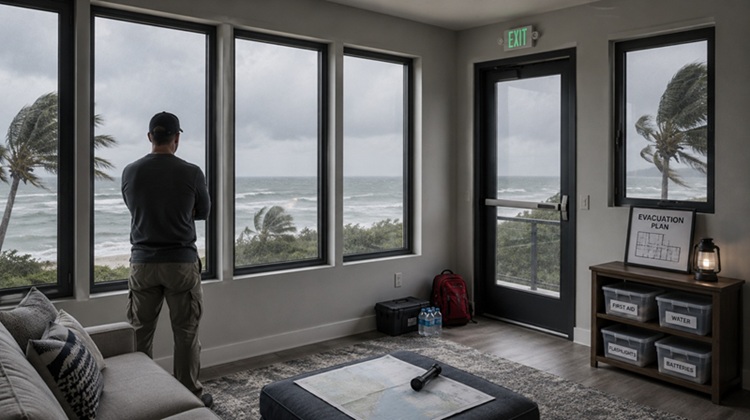
The safest window layout for an evacuation room is usually not the biggest glass wall or the darkest interior room. It is a balanced setup with impact-rated openings, clear sight lines, at least one practical exit path, and windows placed where wind pressure, water exposure, and furniture will not block their purpose. When we help homeowners think through Longboat Key, FL replacement windows and doors, we look at how the room will actually work when the weather turns, not just how it looks on a calm day.
Start with the Room, Not the Window
A good storm room starts with location. Interior rooms can be helpful for sheltering, but many homes also need a safer evacuation room, meaning a room where people can gather, monitor conditions, communicate, and leave if conditions require it.
That room is often a bedroom, den, or family room near a main hallway. It should not depend on one narrow path through the kitchen, garage, or a cluttered storage area. If the route to the room is awkward on a normal afternoon, it will be worse when the power is out and everyone is moving fast.
We also pay close attention to what is outside the window. A window that opens toward a screened enclosure, dense landscaping, pool equipment, or a low roof may not be useful as an emergency exit or visual checkpoint. The layout has to match the real exterior conditions, not just the floor plan.
The Best Layout Gives You Two Useful Functions
In severe weather planning, windows serve two roles. They protect the room from wind-driven debris, and they can help occupants understand what is happening outside without opening a door too early.
That second point gets missed a lot. A room with no view can feel safer, but it may force someone to open an exterior door just to check flooding, fallen limbs, or blocked access. A well-placed impact window lets you see enough without exposing the room.
The best layouts usually include:
- One main view window facing a useful outdoor reference point, such as a driveway, side yard, or front approach
- One operable unit where ventilation or exit access makes sense after the worst weather has passed
- Glass positioned away from beds, heavy furniture, and tall storage pieces
- Hardware that can be reached without climbing or moving objects
That last detail sounds simple, but it is where many older rooms fail. A window behind a headboard or dresser may technically exist, but it does not help much in a stressful moment.
Window Styles That Work Better in A Storm Room
Casement windows, single-hung windows, horizontal sliders, and fixed impact picture windows all have their place. The safer choice depends on how the room is used.
Casement windows can seal tightly because the sash presses into the frame when locked. That can be helpful during wind and rain, but the crank and opening arc need clear space. If outdoor shutters, shrubs, or railings interfere, the window may not operate well when you need it.
Single-hung windows are familiar and can be a practical fit in bedrooms. The lower sash should be easy to lift, and the lock should be simple to operate. In older homes, we often see units placed too high for smaller family members or older adults to use comfortably.
Horizontal sliders can work well where wall height is limited. They are also easier for some people to open because the motion is sideways rather than upward. The tradeoff is that the track must stay clean and the meeting rail must lock securely.
Fixed impact windows are not exit points, but they can strengthen a layout by giving visibility and light in a room that already has a good door or another operable window. We do not like relying on fixed glass alone in a designated evacuation room.
Where Windows Should Sit in the Room
Placement matters as much as window type. A centered window over a bed may look balanced from outside, but it can be a poor choice if the bed blocks access or puts someone directly under glass during a storm.
We prefer layouts that keep the main usable opening along a clear wall. That allows a direct path from the room entrance to the window or door. If a homeowner ever needs to guide children, pets, or an older relative through the room, fewer turns and fewer obstacles make a real difference.
Height also matters. A window set too high may improve privacy, but it can reduce visibility and make operation harder. A window set too low near flooring that can take on water may face more splash exposure during wind-driven rain.
One non-obvious issue is interior window coverings. A heavy blind, tall drapery rod, or layered shade can slow access to the lock. In a storm room, we want coverings that move quickly and do not tangle around the latch or crank.
A Realistic Storm Room Scenario
Picture a family using a back bedroom during a fast-moving summer storm. The room has an older single window behind a dresser, and the only exterior door is across the house near the lanai. When a tree limb falls near the side gate, no one can see whether the path is blocked without walking through the main living area.
Now imagine the same room with two smarter openings. One impact-rated window faces the side yard and is reachable from a clear wall. Another window gives a view toward the front drive, while the bedroom door opens to a short hallway route.
The room is not magically stormproof, and no window layout can promise total safety. But the family can see conditions, keep the envelope better protected, and avoid unnecessary movement through exposed parts of the house. That is the kind of practical improvement that matters.
If you are unsure which room in your home should be planned this way, Clearview Windows & Doors Inc can walk through the layout with you and discuss replacement options that fit the structure. Call (941) 746-9848 to schedule an in-home look at the openings that matter most.
What Homeowners Often Miss
The biggest mistake is choosing windows one room at a time without thinking about how people move through the home. A beautiful replacement window can still be poorly placed for storm use if furniture, hallway flow, or exterior obstacles defeat it.
Another missed detail is pressure balance. During severe wind, different sides of the home can experience different forces. If one old window or door fails, the sudden pressure change can make damage worse inside the house. Impact-rated windows and properly fitted doors help reduce that weak-link problem.
A third overlooked point is aging-in-place. A layout that works for a healthy adult today may not work as well in ten years. Lower-effort locks, reachable sashes, and clear floor space are not just comfort upgrades, they help the room stay useful as family needs change.
For coastal homes, exposure also matters. Salt air, wind-driven rain, and open water views influence frame choices, hardware durability, and glass selection. Our guide to replacement windows for waterfront homes goes deeper into those shoreline conditions.
When A Door Belongs in the Plan
Some evacuation rooms work better with an exterior door than with windows alone. A bedroom that opens to a protected side yard, or a den near the front entry, may benefit from a stronger door system with impact glass, secure locking, and a threshold designed to manage weather exposure.
The door location has to be honest, though. If it opens into a fenced area with a stuck gate or a narrow path blocked by trash bins, it may not improve evacuation. We look at the whole route, including swing direction, step-downs, lighting, and what someone would actually face outside.
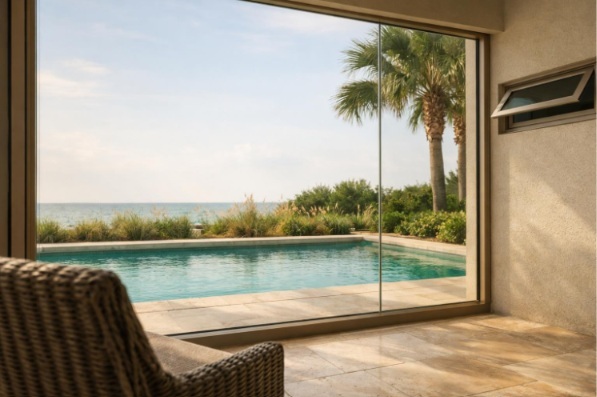
Sliding glass doors need special thought. They can provide visibility and access, but wide openings also need excellent installation, strong frames, and dependable locking. In a storm-focused room, the quality of the door system and installation is just as important as the glass rating.
Choosing Glass and Frames Without Overbuilding the Room
Impact-rated glass is usually the starting point for storm-room openings in our area. It is designed to resist debris impact and stay together better than standard glass when damaged. That does not mean the room should become a bunker with poor daylight and no airflow.
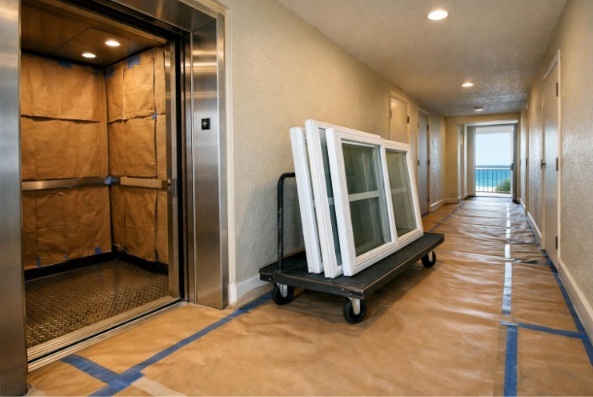
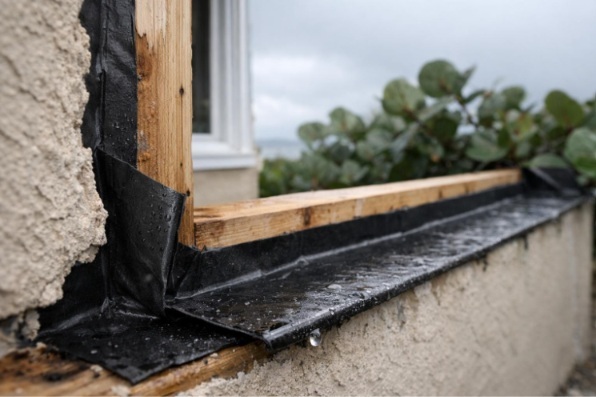
Frame material, fasteners, anchoring, and installation quality all work together. A strong glass package in a weak or poorly fitted frame is not the result homeowners think they are buying. The opening has to be measured correctly, ordered correctly, and installed with the home’s wall conditions in mind.
We also think about comfort after the storm. If the power is out, an operable window that can be safely opened later may help release heat and humidity. Waiting until old units are hard to open, swollen, corroded, or leaking usually narrows your options and makes the project more disruptive.
Small Layout Choices That Matter Later
A safer layout is often built from small decisions. Put the operable window where a person can reach it. Keep the lock visible. Avoid placing the only usable opening over a bed, desk, crib, or large storage cabinet.
We also like to think about nighttime use. Can someone find the latch by touch? Is there a clear path from the hallway? Will a window covering block the handle when the room is dark?
Ignoring these details can turn a good product into a frustrating system. The danger is not just storm damage, it is delay, confusion, and unnecessary movement when the family needs the room to work quickly.
Build the Room Around Real Storm Behavior
The best storm-room window layout protects, informs, and stays usable under stress. It should give you a stronger exterior envelope, a practical view of key outdoor areas, and a clear route if the room needs to be exited. For Longboat Key, FL replacement windows and doors, Clearview Windows & Doors Inc can help you choose openings that match your home’s layout, coastal exposure, and family needs, so call (941) 746-9848 when you are ready to plan the room before the next severe season tests it.