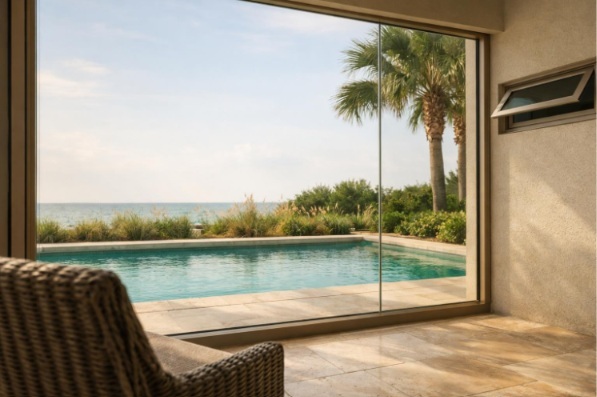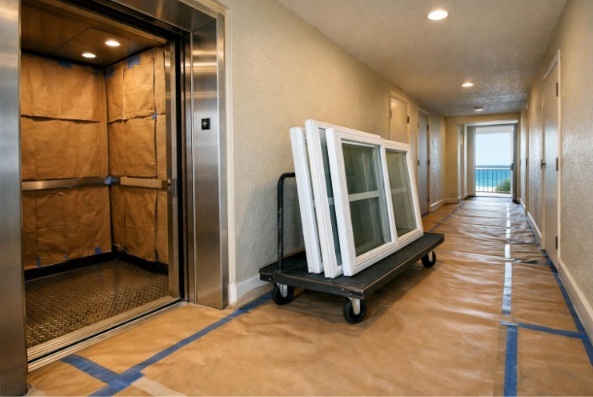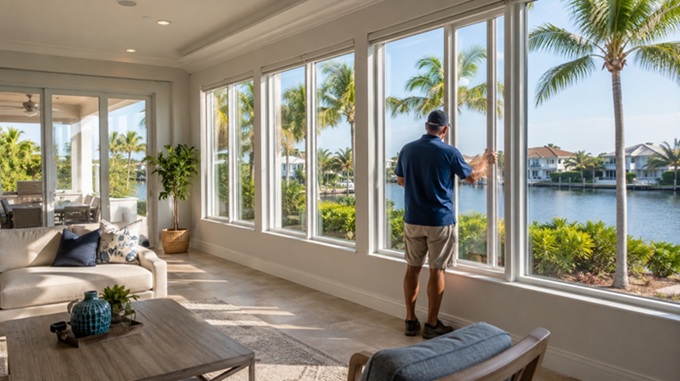
In coastal communities where sunshine is part of daily life, homeowners often want larger glass areas to brighten interiors and open up views. But in homes searching for Longboat Key, FL replacement windows and doors, more glass can quickly become a problem if the wrong products are installed. We’ve seen homeowners replace old windows hoping for better comfort, only to end up with rooms that feel hotter by mid-afternoon because the window package was designed for appearance instead of Florida heat performance.
Natural light and indoor comfort can absolutely work together. The key is understanding how windows manage solar heat, glare, humidity, and airflow before making a purchase decision.
Why Bigger Windows Can Make Some Florida Rooms Uncomfortable
A common mistake homeowners make is assuming all modern windows are energy efficient simply because they are new. In reality, large clear-glass openings facing south or west can turn certain rooms into heat traps, especially during summer.
We often see this happen in living rooms with expansive backyard exposure. The room looks beautiful in the morning, but by 2 p.m., the flooring becomes warm, furniture fades faster, and the HVAC system runs longer than it should.
The issue usually comes down to solar heat gain. Some windows allow significant infrared heat into the home while still looking perfectly clear. That heat builds gradually throughout the day, forcing cooling systems to work harder long after sunset.
Low-quality glass packages also create uneven room temperatures. One side of the house may feel comfortable while another remains several degrees warmer.
Low-E Glass Makes a Bigger Difference Than Most Homeowners Realize
Low-E glass is one of the most important features for Florida homes, yet many homeowners are never fully told how it works.
The coating reflects heat-producing infrared energy while still allowing visible light to pass through. That means rooms stay brighter without absorbing as much solar heat.
Not all Low-E coatings perform the same way, though. Some are designed for colder northern climates where homeowners want additional solar warmth during winter. Those coatings can perform poorly in Florida because they allow too much heat inside.
For coastal homes, we typically recommend glass packages with:
- Low Solar Heat Gain Coefficient (SHGC)
- Strong UV protection
- High visible light transmission
- Insulated multi-pane construction
The balance matters. A window that blocks too much light can make interiors feel dark or gray. A window that prioritizes brightness without heat control often creates long-term comfort problems.
Window Orientation Changes Everything in Florida
One of the most overlooked factors in window selection is the direction the glass faces.
West-facing windows usually create the biggest overheating issues because afternoon sun is more intense and prolonged. East-facing windows tend to create less heat buildup since morning sunlight is milder.
This is why two identical windows can perform completely differently in separate parts of the same house.
We’ve worked with homeowners who replaced every window at once but only complained about comfort in one specific room afterward. In many cases, the issue traced back to oversized west-facing glass with insufficient solar protection.
Sometimes the best solution is not darker glass. Instead, selecting the correct glazing system combined with proper overhangs or exterior shading can preserve brightness while reducing direct heat exposure.
Why Vinyl Frames Perform Better Than Aluminum in Coastal Heat
Frame material affects comfort more than many people expect.
Older aluminum frames transfer outdoor heat indoors very quickly because metal conducts temperature easily. During hot Florida afternoons, those frames can become surprisingly warm to the touch.
Vinyl replacement windows provide better thermal insulation and help stabilize indoor temperatures. Quality vinyl frames also resist moisture damage and corrosion better in coastal conditions where salt exposure becomes a long-term concern.
Cheap vinyl products, however, can warp under high heat loads if poorly manufactured. This is one reason installation quality and product selection matter together. A well-built frame paired with proper installation performs very differently than a budget product rushed into place.
Glass Tint Alone Does Not Solve Heat Problems
Some homeowners try to solve overheating with heavily tinted windows. While tint can reduce glare, darker glass is not always the best answer.
Excessive tinting often creates interiors that feel dim even during sunny days. In some cases, homeowners begin relying more on artificial lighting, which defeats part of the energy-saving goal.
There is also a hidden issue many people do not realize. Certain aftermarket films can increase thermal stress on older glass units, occasionally leading to seal failure or cracking over time.
- Modern performance glass usually delivers better results than relying on dark tint alone.
- Poor Installation Can Ruin High-Performance Windows
- Even premium windows can underperform if installation shortcuts occur.
We’ve seen homes with expensive replacement windows still struggle with humidity around the frames because the installer failed to properly seal the openings. Small gaps allow humid Florida air to infiltrate wall cavities, which can eventually contribute to moisture damage or mold growth.
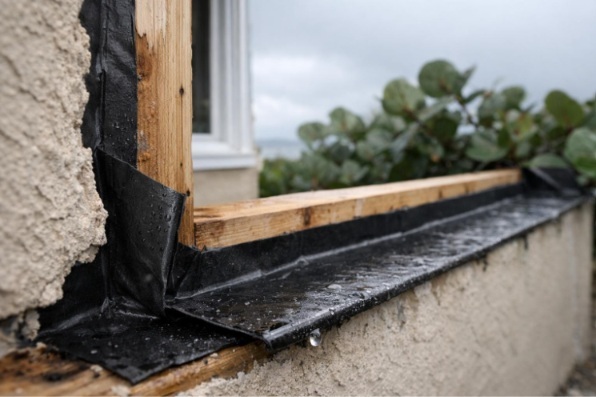
Another common issue involves improper flashing near coastal storm exposure zones. Water intrusion problems often begin years after installation, making them harder for homeowners to trace back to the original work.
A properly installed window should manage:
- Air infiltration
- Water drainage
- Thermal expansion
- Structural movement during storms
Those details are rarely visible after the project is complete, but they heavily affect long-term performance.
Can hurricane-impact windows still provide strong natural light?
Yes, modern impact windows can provide excellent natural light while still protecting against storm damage. Older impact glass systems sometimes looked darker or bulkier, but newer technologies allow manufacturers to combine clearer glass with advanced heat-blocking coatings. Many homeowners are surprised that impact-rated windows can actually improve indoor brightness compared to outdated single-pane units. The key is selecting impact glass with the right visible light transmission rating rather than choosing the darkest option available.
Do larger windows always increase cooling costs in Florida homes?
Not necessarily. Larger windows only become a problem when the glass package is poorly matched to Florida’s climate conditions. A properly designed window with advanced Low-E coatings and insulated glass can allow natural daylight while limiting solar heat gain. In some homes, strategic window placement even reduces dependence on artificial lighting during the day. The bigger issue is uncontrolled west-facing exposure combined with outdated or low-performance glass systems.
How do homeowners know when overheating is caused by windows instead of HVAC problems?
There are usually patterns that point toward the windows first. Rooms overheating during sunny parts of the day, warm flooring near glass openings, fading furniture, or noticeable hot spots close to windows are common signs. HVAC problems tend to affect the entire home more evenly. We often find homeowners repeatedly adjusting their thermostats when the actual issue is excessive solar heat entering through aging glass. In many cases, upgrading the windows reduces HVAC strain without replacing the cooling system itself.
Florida homes benefit most from windows that balance brightness, solar control, durability, and proper installation practices. The goal is not simply adding more glass. It is creating a home that feels naturally comfortable throughout the day without forcing the air conditioning system to constantly compensate for heat gain. Homeowners researching Longboat Key, FL replacement windows and doors should focus on long-term performance instead of showroom appearance alone. For homeowners comparing options carefully, Clearview Windows and Doors can help evaluate which window systems fit both the home’s exposure conditions and comfort goals. You can also explore our internal replacement window services page to learn more about window performance options designed for Florida homes.