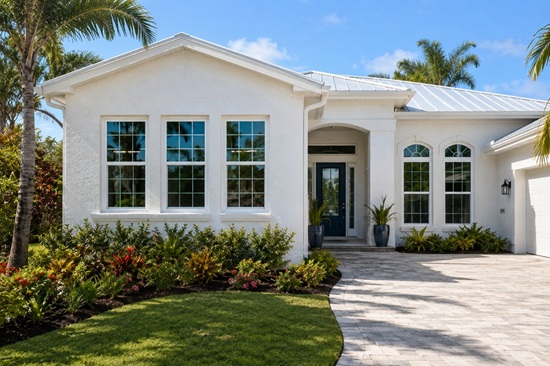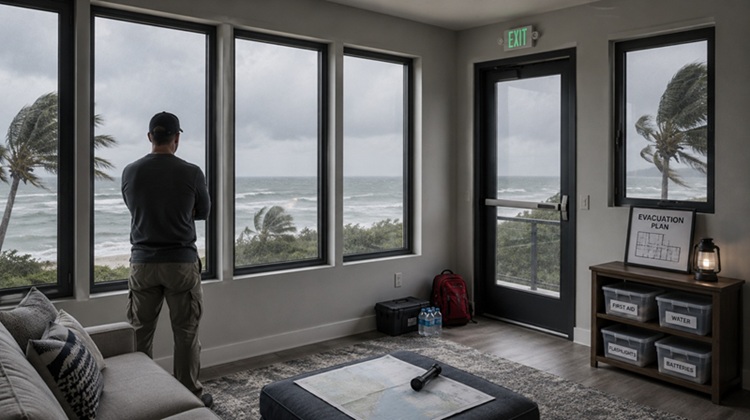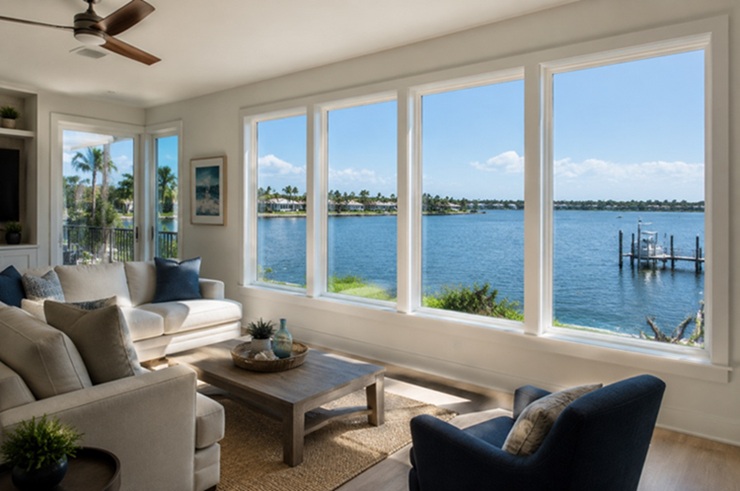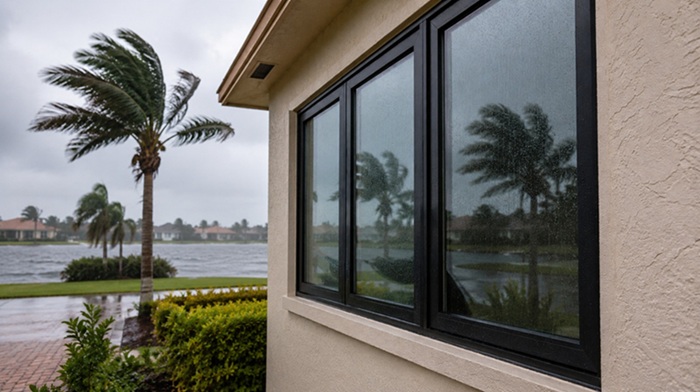
Homeowners researching window replacement in Sarasota, FL often assume hurricane windows create a completely airtight seal during severe storms. That expectation is understandable. Impact windows are marketed as stronger, safer, and more weather-resistant. But the reality is more nuanced. Hurricane windows can dramatically reduce air infiltration during high winds, but their performance depends heavily on installation quality, frame construction, and the condition of the surrounding structure.
We’ve inspected homes after major storms where properly installed impact windows held up extremely well, while nearby homes with cheaper installations experienced whistling drafts, moisture intrusion, or pressure fluctuations around the frames. The difference usually came down to details homeowners never saw during installation day.
Why High Winds Expose Weak Points Around Windows
During tropical storms and hurricanes, air pressure changes rapidly around a home. Wind does not simply push against the glass. It searches for weak areas around the entire window system.
That includes:
- Frame corners
- Installation gaps
- Aging sealants
- Improper flashing
- Loose fasteners
- Structural movement around openings
Even a small opening can become noticeable during sustained winds above 50 or 60 mph. Homeowners sometimes describe this as a faint whistling sound, moving curtains, or pressure changes inside certain rooms.
What surprises many people is that the glass itself is rarely the source of the leak. The surrounding installation is usually the issue.
Impact Glass Helps Stabilize Pressure Inside the Home
One major benefit of hurricane windows is their ability to maintain the building envelope during severe weather.
When standard windows fail, internal air pressure inside the house can rise quickly. That pressure change increases the risk of roof damage and structural stress. Hurricane windows are designed to resist shattering and remain anchored even if struck by debris.
That added structural integrity helps reduce sudden pressure shifts that often worsen air infiltration problems during storms.
Still, homeowners should understand something important. Hurricane windows are not submarine doors. In extreme wind conditions, minor air movement around operable sections or seals can still occur, especially in older installations or lower-quality products.
The Installation Quality Matters More Than Most Homeowners Expect
We’ve seen expensive impact windows perform poorly because the installer rushed the prep work.
A common issue occurs when contractors install new windows into openings with hidden moisture damage or deteriorated framing. The new unit may look perfect initially, but once high winds arrive, small gaps around the perimeter begin allowing air intrusion.
Another overlooked problem involves insufficient anchoring depth. Florida’s wind zones require precise fastening patterns based on engineering standards. Missing those specifications can allow slight frame movement during storms, which weakens the seal under pressure.
Proper installation includes:
- Correct fastener spacing
- Approved structural anchoring
- Moisture barrier integration
- Sealant compatibility
- Accurate frame leveling
These details directly affect long-term air leakage performance.
Some Air Leakage Comes From Operable Window Design
Not all hurricane windows perform equally when it comes to air infiltration resistance.
Fixed picture windows typically create the tightest seal because they do not open. Operable windows, such as single-hung or sliding styles, naturally contain more movable components and weatherstripping.
That does not mean operable impact windows are poor products. It simply means homeowners should have realistic expectations.
For example, we’ve worked with coastal homeowners who noticed slight air movement near older sliding impact windows during strong gusts, even though the units fully passed inspection standards. In many cases, the windows were still performing correctly within allowable design tolerances.
This is one reason product selection matters just as much as impact rating.
Older Homes Often Have Hidden Leakage Problems Beyond the Windows
One of the biggest misconceptions is assuming every draft near a window originates from the window itself.
In older Florida homes, air often enters through:
- Wall cavities
- Attic bypasses
- Trim gaps
- Electrical penetrations
- Aging stucco cracks
During high winds, these hidden openings become more noticeable because exterior pressure forces air through weak points in the structure.
We’ve inspected homes where homeowners blamed brand-new hurricane windows for drafts that actually originated from deteriorated framing hidden behind interior drywall.
A quality inspection should evaluate the surrounding wall system, not just the glass unit alone.
Can hurricane windows completely eliminate drafts during storms?
Not entirely. High-quality hurricane windows significantly reduce drafts and air infiltration compared to older single-pane windows, but no operable window system is perfectly airtight under all storm conditions. Minor air movement can still occur during extreme wind events, especially around movable sashes or aging weatherstripping. The goal is controlled resistance and structural protection rather than absolute elimination of airflow. Proper installation greatly improves performance and minimizes noticeable leaks.
Why do some homeowners still hear whistling sounds after impact window installation?
Whistling usually points to small pressure gaps somewhere in the building envelope. Sometimes the issue involves the window itself, but often it comes from surrounding structural areas. Poorly sealed trim, uninsulated cavities, or small exterior gaps can create noise during high winds. We’ve also seen cases where older homes shifted slightly over time, creating uneven pressure around otherwise functional windows. A post-installation inspection often identifies these overlooked issues quickly.
Are fixed hurricane windows better at preventing air leaks than sliding windows?
Generally, yes. Fixed windows have fewer moving parts, which means fewer potential leakage points. Sliding and single-hung windows rely on weatherstripping and track systems that naturally allow slightly more air movement under pressure. That does not mean operable windows are ineffective. Many modern impact-rated designs perform extremely well. But homeowners prioritizing maximum airtightness in exposed coastal areas often prefer fixed configurations in large openings whenever ventilation is not necessary.
Hurricane windows offer excellent protection against storm damage, pressure changes, and excessive air infiltration when properly selected and installed. But homeowners should approach the upgrade with realistic expectations. The best-performing systems depend on more than impact glass alone. Installation methods, framing conditions, and window design all influence how the home performs during severe weather. Homeowners researching window replacement in Sarasota, FL, should focus on complete system performance instead of marketing claims alone. For those carefully comparing impact window options, Clearview Windows and Doors can help evaluate which products and installation methods make the most sense for long-term coastal protection. You can also explore our hurricane impact window services internal page to learn more about storm-ready window systems for Florida homes.