For window replacement in Bradenton, FL, homeowners considering better AC performance should prioritize windows when old units are adding heat or letting conditioned air escape, but do not expect them to correct every cooling problem by themselves.
Key Takeaways
- Sunlight through glass and air gaps around old windows can add to the cooling load on a Florida home.
- Properly selected and installed replacement windows can limit heat gain and air infiltration.
- Glass selection matters most on rooms with long exposure to strong direct sun.
- Uneven room temperatures can involve windows, but ducts, insulation, and AC condition also matter.
- Window installation details affect air control and moisture management as much as the window itself.
Why Do Windows Matter to an AC System in Florida?
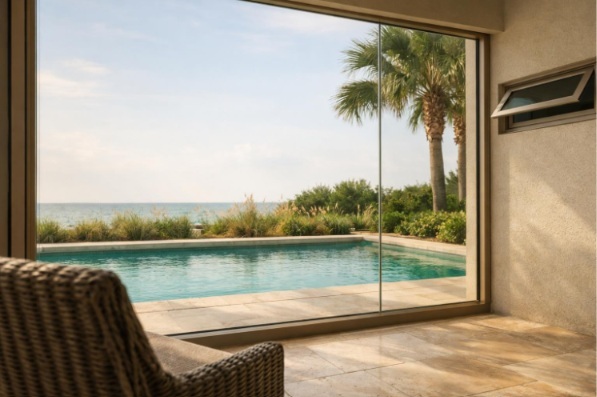
Florida’s cooling season is long, and an air conditioner has to remove heat continually to keep indoor temperatures steady. Windows can become part of that workload in two basic ways: solar heat passes through the glass, and hot, humid outdoor air can enter through gaps around aging window units.
A room with strong sun exposure may feel warm even with the thermostat set correctly because the AC is working against heat entering at the window. If the window frame, sash, or perimeter seal leaks, the system also has to cool and dehumidify replacement air from outdoors.
This does not mean every warm room needs new windows. However, old single-pane glass, deteriorated seals, poorly operating sashes, and worn weatherstripping can make a home harder to cool. The problem is often most noticeable in rooms that face the afternoon sun or have several large openings.
Can New Windows Actually Help an AC Run More Efficiently?
Yes, well-chosen and professionally installed replacement windows can reduce two common sources of cooling demand: heat gain through glazing and unwanted air infiltration. That can help the AC maintain the set temperature with less strain during hot periods.
The outcome depends on the starting condition of the home. Existing windows, wall insulation, roof and attic conditions, exterior shading, ductwork, thermostat habits, and the condition of the HVAC equipment all affect how much difference a window project will make.
Think of replacement windows as improving the home’s enclosure, meaning the barrier between conditioned indoor air and Florida’s outdoor heat and humidity. A tighter, better-performing enclosure gives the cooling system a more manageable job. It is a sensible step when aging windows are clearly contributing to discomfort, but it is not a substitute for a neglected or incorrectly sized AC system.
For homeowners also evaluating storm protection, impact windows that protect a Florida home while the owner is away can be part of a broader replacement decision.
Which Window Features Can Affect Cooling Demand?
When discussing replacement options, focus on features that influence how much heat enters and how well the unit controls air movement.
- Low-emissivity glass coatings: Low-E coatings are designed to manage radiant heat moving through glass. The right glass configuration should reflect the direction and intensity of the sun on each side of the home.
- Insulated glass units: These use multiple panes separated by a sealed space. They can reduce heat transfer compared with older, less efficient glass assemblies.
- Frame construction: The frame is part of the window system, not just trim around the glass. Its design, material, and fit can affect durability, weather resistance, and overall thermal performance.
- Weatherstripping and operating seals: Moveable parts need to close securely. Effective seals help limit humid outdoor air entering around sashes and tracks.
- Air-tightness performance: Ask how the window is designed to control air leakage when closed. This is especially relevant if you notice drafts or shifting temperatures near current windows.
- Sun-specific glass choices: A window facing harsh west or south sun may need different glass priorities than one in a shaded location. Using one choice everywhere without considering exposure can miss the real comfort issue.
How Do You Know Whether Your Current Windows Are Affecting Comfort?
Several signs point toward windows as a possible contributor, although none proves the windows are the only cause.
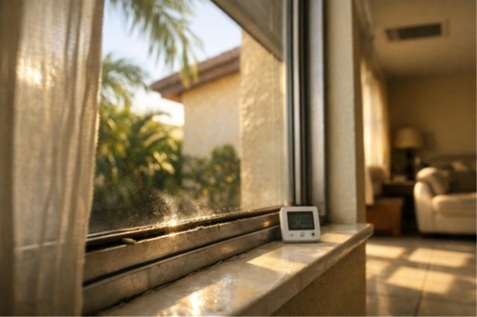
- Hot zones close to the glass: If a chair, floor area, or wall near a window feels much warmer in the afternoon, solar heat gain may be part of the problem.
- Noticeable drafts: Air movement around a closed window can indicate worn seals, poor alignment, or gaps at the frame. It may be easier to feel on windy days.
- Uneven temperatures between rooms: A sun-facing room that stays warmer than the rest of the house can involve its windows. It can also indicate duct imbalance, insufficient insulation, or weak airflow from a supply register.
- Fading concerns: Strong sunlight can affect flooring, fabrics, and finishes over time. Heat and ultraviolet exposure are related but not identical issues, so ask about both when comparing glass.
- Condensation or moisture signs: Interior condensation, fogging between glass panes, or moisture around frames needs a closer look. Indoor humidity, AC operation, and exterior water control can all be involved.
- Difficult operation: Windows that stick, will not lock properly, or no longer close evenly may no longer provide a dependable seal.
Ignoring these signs can make the AC run longer while indoor humidity and room-to-room comfort remain inconsistent. Over time, that can hide the real source of the problem and lead to an AC replacement decision based on symptoms that the home enclosure helped create.
What Should Bradenton Homeowners Ask Before Choosing Replacement Windows?
A useful consultation should connect the window choice to the way the home handles heat and moisture.
- Which openings receive the most direct afternoon sun, and should their glass selection differ from shaded windows?
- What condition are the existing frames, surrounding wall areas, and exterior finishes in?
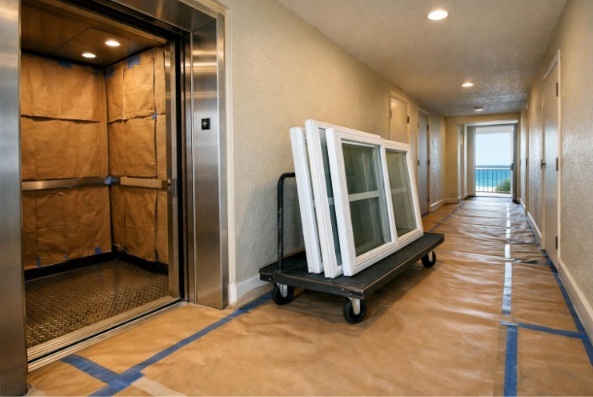
- How will the old window be removed and the new unit fitted so gaps are properly addressed?
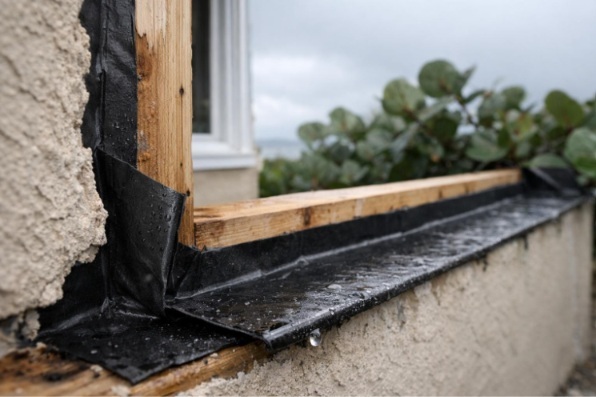
- How does the installation approach manage water at the opening and protect the surrounding structure?
- What energy-performance information is available for the proposed glass and window configuration?
- Could the hot room also have weak duct airflow, inadequate attic insulation, or an HVAC issue that should be evaluated separately?
- If the AC is aging, should the home’s window performance be improved before choosing replacement equipment capacity?
Bring up specific problem rooms, not just the number of windows you want replaced. A provider can make better recommendations when they know which rooms overheat, when it happens, and whether the issue changes with sun, wind, or AC runtime.
Will Replacement Windows Solve Every Air-Conditioning Problem?
No. New windows can reduce heat gain and air leakage, but they cannot correct leaking ducts, blocked returns, poor attic insulation, thermostat problems, dirty HVAC components, or equipment that is too large or too small for the home.
This matters when planning a major upgrade. Replacing an aging AC before addressing obvious window leakage or intense solar gain can leave the new system handling the same avoidable load. On the other hand, if the AC cannot maintain temperature anywhere in the home, has weak airflow throughout, or has moisture-control problems, windows alone are unlikely to be the answer.
The practical approach is to identify the biggest contributors first. A window problem tends to be localized around openings and changes with sun exposure. A duct or HVAC problem often affects airflow patterns, multiple rooms, or humidity across the house.
How to Choose Windows That Support Better Cooling
Choose replacement windows based on the exposure, condition, and comfort problem at each opening, not on a single feature or a broad promise of energy savings. Prioritize windows with appropriate glass for the sun they receive, secure operating seals, and an installation plan that addresses the complete opening.
If one or two rooms are the problem, start there only if the rest of the windows are still functioning well and the project can be planned consistently with future replacements. If old windows throughout the home are loose, difficult to operate, or contributing to widespread drafts, a whole-home approach may make more sense.
Clearview Windows & Doors Inc can help you assess how window replacement Bradenton, FL may fit into a broader cooling-efficiency plan. To discuss window options and the comfort issues you are noticing, call (941) 746-9848.
Frequently Asked Questions
Can New Windows Lower My Air-Conditioning Use?
They can help when old windows allow excessive solar heat or outdoor air into the home. The actual effect depends on the existing windows, the home’s insulation and ducts, the amount of shade outside, and the condition of the AC system.
Why Is One Room Hotter Than the Rest of the House?
Strong sun exposure through glass is one possible cause, especially in rooms with large west- or south-facing openings. It could also be caused by insufficient insulation, undersized or restricted ducts, poor return-air flow, or an HVAC system that is not distributing air evenly.
Should I Replace Windows Before Replacing an Aging AC System?
If your windows have clear air-leakage or heat-gain problems, addressing them before selecting new HVAC equipment can provide a more accurate picture of the home’s cooling needs. An HVAC professional can evaluate the mechanical system while a window provider assesses the openings and installation conditions.
Are Impact Windows Relevant to Cooling Efficiency?
Impact resistance and cooling performance are separate characteristics, although a window can be selected to address both priorities. Compare the glass, frame, seals, and overall energy-performance information rather than assuming storm-rated construction alone determines cooling efficiency.