Many homeowners researching window replacement in Sarasota, FL, first notice a problem that seems minor at first glance: foggy glass, moisture buildup, or windows that always look hazy in the morning. Some assume the issue is simple humidity. Others think the windows just need cleaning. In reality, condensation and foggy glass can point to larger performance problems inside the window system itself.
Florida’s climate creates unique stress on residential windows. High humidity, extreme heat, salt exposure near the coast, and constant air conditioning place pressure on seals and glass units year-round. When windows begin trapping moisture or developing internal fogging, the issue is often deeper than appearance alone.
Why Condensation Happens More Often in Florida Homes
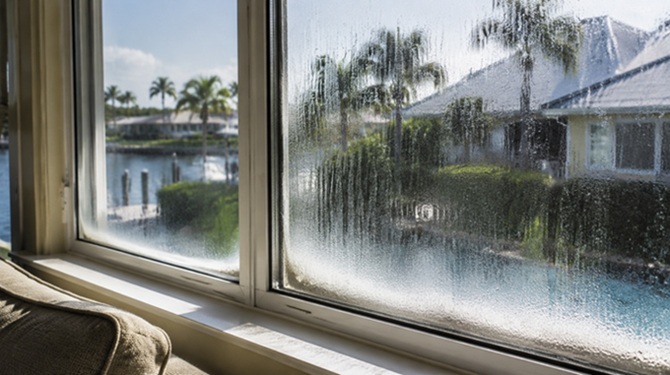
Condensation forms when warm, humid air contacts a cooler surface. In Florida, that temperature difference happens constantly because homes stay air-conditioned while exterior humidity remains high.
Some condensation is completely normal.
For example, exterior condensation appearing briefly in the early morning usually means the insulated glass is performing efficiently. The outer pane cools overnight while outdoor humidity rises. That temporary fog often disappears quickly after sunrise.
Interior condensation tells a different story.
When moisture forms repeatedly on the inside surface of windows, it may indicate:
- Excess indoor humidity
- Poor airflow near the glass
- Aging window insulation
- Weak thermal performance
We often see this in bathrooms, kitchens, and bedrooms with limited ventilation. Ceiling fans, blocked vents, and tightly closed blinds can also contribute by trapping humid air against the glass surface.
What Causes Fog Between Window Panes
Fog trapped between panes usually means the insulated glass seal has failed.
Modern double-pane and impact windows contain sealed airspaces filled with insulating gas. Those seals are designed to keep moisture out while improving energy efficiency. Once the seal deteriorates, humid air enters the space between the panes and condensation begins forming internally.
This is where homeowners get frustrated because cleaning the glass no longer solves the problem.
The haze exists inside the sealed unit itself.
One thing many people overlook is how Florida’s heat accelerates seal wear. Constant sun exposure expands and contracts the glass repeatedly throughout the day. Over the years, that movement weakens perimeter seals, especially on older windows exposed to direct afternoon sunlight.
Homes near the coast often experience faster deterioration because salt exposure slowly affects surrounding materials and hardware.
Why Foggy Windows Often Signal Energy Loss
A failed seal is not just cosmetic.
Once the insulated barrier breaks down, the window loses much of its thermal performance. That allows more heat transfer into the home, which can increase HVAC strain and reduce indoor comfort.
We regularly inspect homes where one room feels consistently warmer than the rest because multiple window seals have failed over time.
The problem becomes especially noticeable in:
- West-facing rooms
- Large fixed windows
- Older sliding glass doors
- Sunrooms with prolonged solar exposure
One non-obvious issue is uneven cooling cycles. Rooms with compromised glass often force the HVAC system to run longer, even when the thermostat appears properly set. Homeowners sometimes blame the air conditioner itself when the actual issue starts at the windows.
Why Some Window Condensation Is Actually a Good Sign
This surprises many homeowners.
Exterior condensation on newer energy-efficient windows can actually indicate the glass is insulating effectively. Because less indoor heat escapes through the glass, the outer surface remains cooler and allows temporary moisture formation outside.
Older, inefficient windows rarely show this because they leak enough heat to warm the exterior glass surface quickly.
The key difference is location.
Condensation outside the window is usually harmless. Condensation trapped between panes or excessive moisture inside the home deserves closer evaluation.
Understanding that distinction helps homeowners avoid replacing windows unnecessarily while also recognizing genuine seal failure when it occurs.
How Poor Installation Can Lead to Persistent Moisture Problems
Not every condensation issue comes from the glass itself.
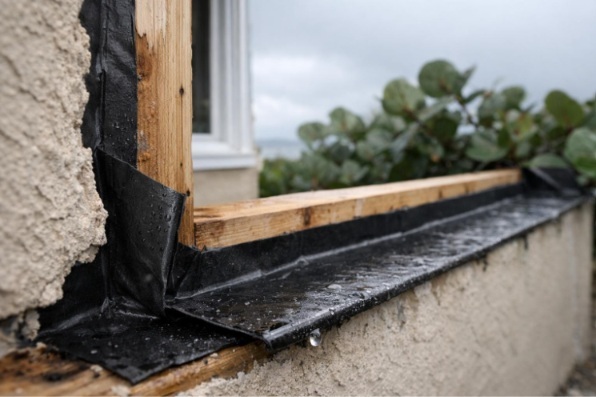
Improper installation can allow air leakage around the frame, which creates hidden moisture problems inside walls and surrounding trim. We occasionally find fogging complaints that are actually caused by failed flashing, poor insulation gaps, or water intrusion around the opening.
This becomes dangerous because moisture hidden behind trim can eventually lead to:
- Wood rot
- Mold growth
- Drywall staining
- Frame deterioration
One homeowner we worked with assumed their fogging problem was limited to old glass. During inspection, we discovered exterior water intrusion had slowly damaged the framing cavity around multiple windows. The glass issue was only the visible symptom.
That is why professional diagnosis matters before deciding between repair and full replacement.
Can Foggy Glass Be Repaired Without Replacing the Entire Window?
Sometimes, but not always.
If the frame remains structurally sound, homeowners may be able to replace only the insulated glass unit instead of the full window assembly. However, older windows with frame deterioration, corrosion, or recurring seal failures often benefit more from complete replacement.
Age matters here.
If multiple seals are failing at once, the window system may already be nearing the end of its overall lifespan. Replacing individual panes repeatedly can become more expensive long-term than upgrading the full system with modern impact-rated products.
How Long Do Window Seals Typically Last in Florida?
Florida conditions can shorten seal life compared to milder climates. While quality insulated glass units may last 15 to 25 years, intense UV exposure, humidity, and coastal salt air can accelerate wear.
South- and west-facing windows usually fail first because they experience the highest solar stress throughout the day. Homes with older aluminum frames may also develop thermal movement issues that place additional pressure on seals over time.
Regular inspection helps catch early warning signs before moisture problems spread into surrounding materials.
Does Interior Humidity Always Mean the Windows Are Bad?
No. Sometimes the windows are functioning properly while indoor humidity levels remain too high.
Oversized air conditioners, poor ventilation, and blocked airflow can all increase interior condensation. We often see this in homes where the AC cools the air quickly but fails to remove enough humidity during shorter run cycles.
That is why condensation diagnosis should evaluate the entire home environment, not just the glass itself. Windows may reveal the symptom even when the humidity imbalance starts elsewhere in the home.
Window Problems Usually Start Small Before They Become Expensive
Foggy glass and recurring condensation rarely improve on their own. In many Florida homes, these issues begin gradually before turning into larger comfort, efficiency, or moisture-related problems. For homeowners evaluating window replacement in Sarasota, FL, understanding the difference between harmless condensation and true seal failure can prevent unnecessary repairs and help identify problems before structural damage develops. At Clearview Windows and Doors, we believe homeowners deserve honest guidance that focuses on long-term performance, not quick cosmetic fixes.