Key Takeaways
- A sliding glass door opening should be evaluated as a door system, not treated like a large window.
- Panel layout affects views, traffic flow, ventilation, and how the door works every day.
- Impact-rated performance should be confirmed for the exact product, glass package, and opening.
- Accurate measurement and careful threshold planning matter as much as the door itself.
- Glass and frame selections should match the home’s sunlight, privacy, view, and maintenance priorities.
Why Sliding Glass Door Openings Need Their Own Replacement Strategy
For Longboat Key, FL replacement windows and doors, a sliding glass door opening deserves its own plan. It is larger than most window openings, often used several times a day, and ties the interior of the home to a patio, lanai, balcony, or pool area.
A standard impact window may be appropriate in some fixed glass areas, but it is not automatically the right replacement for an opening that needs regular passage. A sliding door must protect the opening while also moving smoothly, locking securely, managing water at the sill, and preserving the sightlines that made the opening valuable in the first place.
The overlooked details are usually practical ones. Which panel moves? Will the threshold create a trip point? Can a large furniture piece clear the opening? Does the new configuration leave enough usable glass for the view? These answers should guide the product choice before color or hardware style enters the discussion.
Start with the Opening: Replacement Window, Sliding Door, or Another Impact-Rated Configuration?
Before selecting a product, assess what the opening actually needs to do for the household.
- Keep A True Passageway: If people regularly walk through the opening to reach an outdoor area, choose an impact-rated door configuration designed for daily operation. A fixed impact window does not replace that function.
- Preserve A Wide View: A fixed panel paired with one operating panel can keep broad sightlines while still providing access. More moving panels can add flexibility, but their vertical meeting rails may break up the view.
- Improve Access: Consider how wide the usable opening must be for outdoor furniture, mobility needs, pet traffic, or frequent entertaining. The overall width of the unit is not the same as the clear opening when only one panel slides.
- Match The Existing Wall And Layout: An opening may be better suited to a two-panel slider, multi-panel system, fixed-and-operable combination, or another impact-rated design. The exterior wall, interior finishes, and surrounding structure should be reviewed before assuming a direct swap is best.
If the door is rarely used and the priority is uninterrupted glass, a fixed impact-rated configuration may make sense. If it is the home’s main route outside, everyday operation should carry more weight.
Compare Impact Performance Information Beyond the Label
“Impact-rated” is a starting point, not the full answer. Ask to review the performance information for the specific product being considered, including applicable approvals, test documentation, design pressure information, and the exact glass configuration.
Design pressure describes how a unit is evaluated for wind loads. The right performance level depends on the particular opening and home conditions, which is why a product that works in one location should not be assumed suitable for every large glass opening.
Also confirm whether the selected glass package matches the documentation being discussed. Glass thickness, interlayers, panel size, frame components, and hardware can all affect how the final unit performs. how impact windows protect florida homes when youre away for the season for a broader look at why intact openings matter when a home is unoccupied.
Balance Storm Protection with Everyday Door Use
The strongest choice on paper can still be frustrating if it does not fit daily life. Review the moving parts with the same care you give the glass.
- Panel Movement: Ask which panels operate and whether the arrangement puts the moving panel where it is most useful.
- Track Design: Tracks collect windblown grit and must support heavy panels without becoming difficult to operate. Look closely at how the rollers, track, and panel alignment are designed to work together.
- Handles And Locks: Test the handle placement and locking action. A secure lock matters, but so does being able to use it comfortably every day.
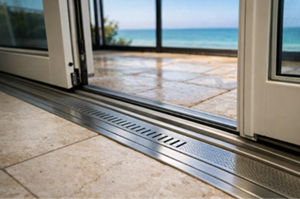
- Threshold Transition: The sill is where indoor flooring, exterior surfaces, water management, and foot traffic meet. Its height and transition should be planned around the actual conditions on both sides.
- Ventilation And Cleaning Access: Decide whether you want one or more operable panels and how exterior glass will be reached for routine maintenance.
- Furniture Flow: Measure the pathway, not just the opening. A sofa, dining table, or built-in cabinet can make a technically functional door awkward to use.
Ignoring these details can lead to a door that meets the intended impact requirements but becomes a daily annoyance, or worse, one with a poorly planned threshold that directs water toward vulnerable finishes.
Choose Glass and Frame Details for the Home’s Priorities
Glass selection shapes more than storm protection. It affects how the room feels during bright afternoons, how much privacy the opening provides, and how clear the view remains from inside.
Clear glass may suit a water or garden view, while tinted, low-emissivity, or other specialty glass options may help manage sunlight and interior fading concerns. Privacy needs are different for a ground-level patio than for an upper-level balcony, so the right answer may vary from one side of the home to another.
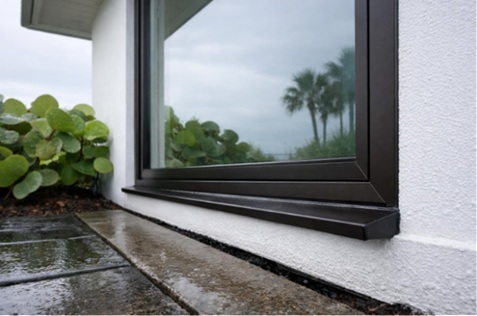
Frame appearance also matters on a large opening because there is more of it in view. Consider frame color, profile thickness, expected exposure, and maintenance expectations. A slimmer sightline may preserve more glass area, while a different frame design may better complement the home’s exterior.
A productive next step is to schedule an in-home review with Clearview Windows & Doors Inc so the opening, traffic pattern, and surrounding conditions can be considered together rather than from a catalog page.
Plan for Measurement, Installation Conditions, and the Questions to Ask
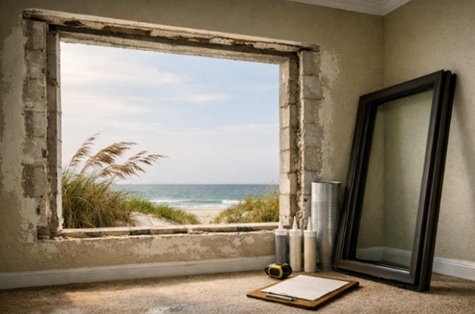
Large sliding glass door systems depend on precise site conditions. The opening must be measured carefully, but measurement alone is not enough. The provider should also look at the existing frame condition, wall finishes, sill area, floor height, exterior surface, drainage path, and how the new unit will integrate with the surrounding opening.
Use these questions when comparing options:
- What configuration fits how we use this opening each day?
- Which panel or panels operate, and what clear opening will that leave?
- What product-specific impact performance documents apply to this unit?
- What glass options fit our view, sun exposure, and privacy needs?
- How will the threshold meet the indoor floor and exterior surface?
- What installation steps protect the surrounding finishes and manage water at the sill?
- Who will confirm the final measurements before the unit is ordered?
The best choice is not simply the largest, darkest, or most heavily marketed impact door. For Longboat Key homes, weigh storm performance, practical access, glass appearance, threshold conditions, and installation planning as one system. When you are ready to discuss Longboat Key, FL replacement windows and doors for a sliding glass opening, speak with Clearview Windows & Doors Inc at (941) 746-9848 to review the details that matter before making a final selection.
Frequently Asked Questions
Can Impact Windows Be Used in a Sliding Glass Door Opening?
They can be appropriate when the opening does not need to function as a passageway. If the space is used for access to a patio, balcony, or pool area, an impact-rated sliding door or another operable door configuration is usually the more practical choice.
What Documents Should I Review for an Impact-Rated Sliding Door?
Ask for product-specific performance information, including applicable approvals, testing documentation, design pressure details, and the glass configuration. Make sure the information applies to the actual size and configuration being selected.
How Do I Choose a Sliding Door Panel Configuration?
Start with access needs, view priorities, and furniture flow. A two-panel door may suit a simple patio entrance, while larger openings may benefit from configurations that combine fixed panels with one or more operating panels.
What Glass Options Affect Privacy and Sunlight?
Glass choices can influence brightness, heat gain, glare, privacy, and how clearly you see outdoors. The best option depends on the opening’s direction, nearby homes, outdoor use, and whether preserving a clear view is the top priority.
Why Does the Threshold Matter So Much?
The threshold connects the door to the floor, exterior surface, and sill area where water must be managed correctly. Poor planning can create an awkward step, interfere with traffic flow, or leave nearby finishes more vulnerable to moisture.