Key Takeaways
- Aging windows deserve attention before weather concerns turn a careful decision into a rushed one.
- Sticking, drafts, damaged frames, and moisture issues are reasons for an evaluation, not automatic replacement.
- Starting early gives you time to compare options, measure openings, and prepare your home properly.
- Window condition is only part of the decision, daily comfort and surrounding opening conditions matter too.
- Ask clear questions about installation, timing, documentation, and ongoing care before committing.
Why the Pre-Storm-Season Decision Deserves More Than a Last-Minute Fix
Window replacement Bradenton, FL is worth planning before storm season if your current windows already show signs of age, water intrusion, poor operation, or failing components. The goal is not to replace every older window on a deadline. It is to find out whether the openings are still performing as they should before heavy rain and wind expose existing weak points.
A window can look acceptable from across the room while its frame, seals, hardware, or surrounding opening are no longer dependable. Waiting until a window will not latch, rain enters around the frame, or a panel cannot be secured leaves less room to make a thoughtful choice.
Storm season also raises the stakes because a weak opening is not just an inconvenience. Wind-driven rain can move past failed seals and into wall materials. If that is ignored, dampness can affect trim, insulation, and framing around the opening, making the work more involved than addressing the window condition early.
Consideration 1: What Your Current Windows Are Telling You
These signs call for a closer evaluation. They do not automatically mean every unit needs replacement.
- Visible frame or sash damage: Cracked, warped, corroded, or deteriorating parts can interfere with how the window closes and sheds water.
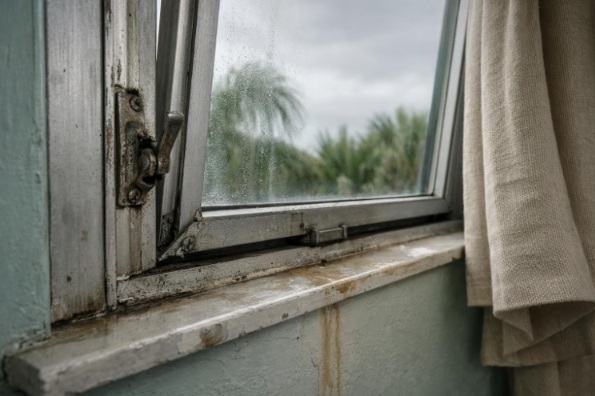
- Difficulty opening, closing, locking, or latching: A window may be out of alignment, have worn hardware, or be affected by frame movement. If it cannot close and secure reliably, it deserves prompt attention.
- Drafts or air movement around the window: This can point to worn weatherstripping, gaps, or a failing connection between the window and wall opening.
- Moisture between glass panes or unexplained dampness nearby: Fogging inside insulated glass often signals a failed seal. Water staining on trim or drywall should be evaluated because the source may be outside the glass itself.
- Recurring maintenance needs: When the same windows repeatedly need adjustment, caulking, or attention to keep functioning, the problem may be beyond a simple isolated issue.
- Loose or deteriorated surrounding trim: Exterior cladding and interior trim can reveal movement or moisture exposure around an opening, even when the window glass appears intact.
If only one opening has a problem, start there. A careful on-site assessment can help distinguish a localized condition from a wider pattern across the home.
Consideration 2: How Much Time You Have to Plan the Project
Beginning before weather feels urgent gives you better choices. You have time to discuss window styles, glass options, frame materials, how each unit will operate, and whether certain openings should be prioritized first.
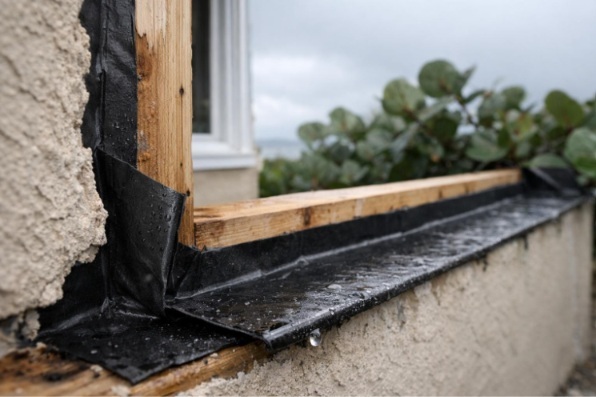
It also allows for accurate measurements and a realistic project sequence. Replacement windows are typically made to fit specific openings, so the planning stage matters. A provider should inspect more than glass size, including the condition of the frame area, surrounding trim, access to each opening, and any features that may affect installation.
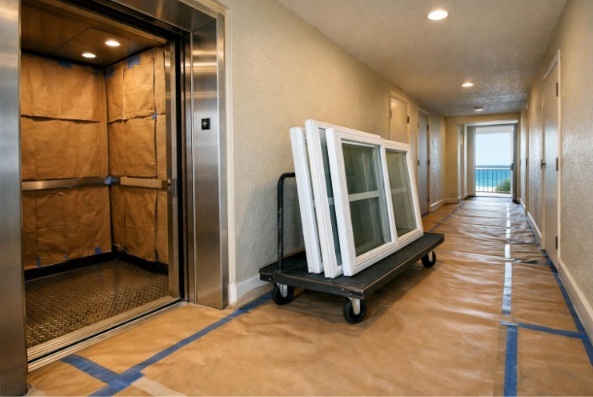
Home preparation is easier when it is not rushed. Furniture, window treatments, alarms, nearby landscaping, and access paths all need consideration. If you are concerned about leaving the home during part of the season, this guide on how impact windows protect florida homes when youre away for the season offers useful context for weighing protection needs.
A good next step is to arrange an on-site conversation while you can still evaluate options calmly, rather than waiting for one troublesome window to dictate the whole project.
Consideration 3: Storm Season Is Only One Part of the Decision
Weather readiness matters, but homeowners should weigh the full role each window plays every day.
- Daily operation: Bedroom egress windows, kitchen windows, and frequently used sliding doors should open, close, and lock without excessive force.
- Indoor comfort: Air leakage, hot glass areas, and uneven room temperatures can affect how hard your cooling system has to work.
- Maintenance burden: Peeling finishes, corroded hardware, and recurring sealing issues take time and can signal that an aging unit is nearing the end of practical service.
- Appearance and sightlines: New windows should suit the home’s architecture, preserve useful views, and work with exterior trim rather than looking like an afterthought.
- Nearby opening conditions: Check exterior trim, wall surfaces, shutters, screens, and door frames. A window decision should account for conditions immediately around the opening.
- Priority of each location: Start with openings that will not secure, show moisture evidence, have visible deterioration, or serve important rooms before addressing lower-priority areas.
Consideration 4: Questions to Ask Before Choosing Replacement Windows
A provider should be able to explain the work in plain language. Bring these questions to the conversation:
- What did you observe about the existing window and the surrounding opening?
- Which window style and operating method fits this room’s use?
- How will the old unit be removed and the new one secured within the opening?
- What should I expect before installation day, including access and room preparation?
- What is the expected sequence from measuring through installation?
- How will exterior and interior finishes around the opening be handled?
- What product documents should I keep after the work is complete?
- What ongoing care does this window type need to operate properly?
- If several windows need attention, which ones should be addressed first and why?
Clear answers help you compare recommendations on more than appearance. They also show whether the provider has considered how the product, opening, and installation work together.
How to Weigh the Signs and Choose Your Next Step
Use the condition of the window, your planning time, and the role of each opening to set priorities. If windows operate well, show no moisture concerns, and have no visible deterioration, monitoring them may be reasonable. If there are recurring operation problems, drafts, frame damage, or evidence of water around an opening, schedule an assessment before seasonal weather makes the issue more urgent.
For homeowners ready to begin window replacement Bradenton, FL planning, Clearview Windows & Doors Inc can help you discuss the condition of your current openings and the options that fit your priorities. Call (941) 746-9848 to schedule a conversation before storm-season concerns force a rushed decision.
Frequently Asked Questions
How Early Should I Start Planning New Windows Before Storm Season?
Start as soon as you notice persistent operation, moisture, or deterioration concerns. Earlier planning gives you more time for an on-site assessment, product selection, measurements, and home preparation.
Do Hard-To-Open Windows Always Need to Be Replaced?
Not always. Difficulty can come from hardware wear, alignment problems, frame movement, or moisture-related deterioration. An assessment can identify whether the issue is limited or whether the window’s overall condition warrants replacement planning.
What Window Problems Should I Treat as Urgent?
A window that will not close or lock, visible deterioration around the frame, or water staining near the opening should be assessed promptly. These conditions can worsen during wind-driven rain and may affect materials around the window.
Should I Replace Every Window at the Same Time?
Not necessarily. Prioritize windows with moisture concerns, security or operation problems, visible damage, or important daily use. A phased plan can make sense when other openings remain in sound working condition.
What Should I Prepare Before A Window Consultation?
Note which windows stick, leak air, show condensation between panes, or need repeated attention. Also identify room access concerns, window treatments, alarms, exterior landscaping, and any openings that are especially important to your household.