Key Takeaways
- A lanai window plan should balance impact protection, daylight, ventilation, and sightlines.
- Larger glass areas can improve a view, but frame width and window layout still matter.
- Low-glare glass choices can improve comfort without making the enclosure feel closed in.
- Fixed and operable windows often work best together when placed with purpose.
- An in-home assessment helps match the design to the lanai’s exposure and daily use.
A Lanai Window Upgrade Is More Than a Storm-Protection Decision
For window replacement Bradenton, FL, a lanai deserves its own planning conversation. This space is meant to keep you connected to the pool, yard, water, or open sky while providing a more protected place to sit, gather, or pass between indoors and outdoors.
Hurricane windows can add an important layer of protection, but selecting them only for that feature can lead to a disappointing result. A layout that breaks up the glass too often may interrupt a view. Glass that admits abundant sunlight without considering glare may make the space uncomfortable during parts of the day.
The best choice is usually a complete system decision: protection, frame profile, glass performance, opening locations, and the way the lanai functions in daily life. Before comparing products, define what the room needs to do.
Start with How the Lanai Is Used
Your intended use should drive the window layout, not the other way around.
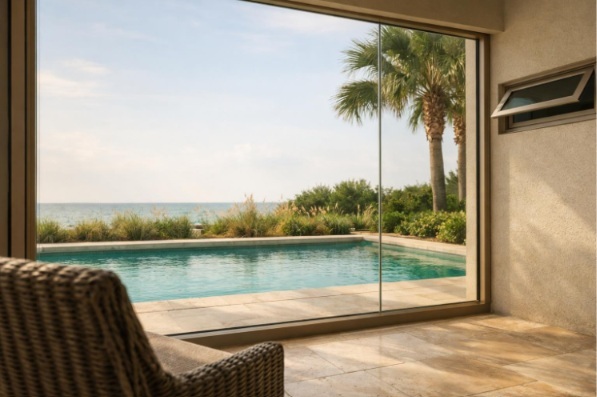
- View Room: Prioritize broad, clear glass areas in the main sightlines. Identify the outdoor features you want visible from chairs, a dining table, or standing near the doors.
- Bright Gathering Area: Balance daylight with glare control. Windows placed across more than one wall may brighten the room, but the sun-facing sides need careful glass selection.
- Seasonal Enclosure: Consider whether you need cross-ventilation on milder days or whether the space will mostly remain closed. Operable units should go where opening them will actually improve airflow.
- Transition to a Pool or Waterfront: Think about traffic paths, door locations, screens, and where people will lean, carry items, or move in and out. The clearest view window may not belong where a door swing or furniture placement will block it.
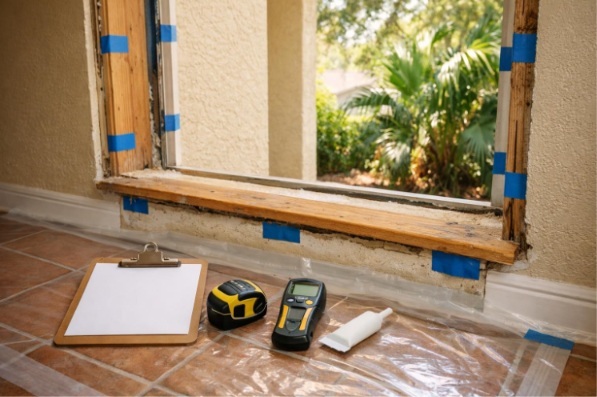
A simple sketch of the lanai can help. Mark where people sit, which direction they look, and which openings receive the strongest sun. Bring that sketch to an in-home discussion so the proposed configuration reflects real use rather than a standard window pattern.
Protect the View Without Ignoring the Frame
The clearest lanai view does not always come from choosing the largest individual window. It comes from placing larger glass areas where the view matters most and keeping vertical and horizontal divisions out of the key sightlines.
Frame profiles, mullions, which join adjacent units, and the operating style all affect what you see. A series of smaller units can add useful ventilation, but it can also put frame intersections directly across the waterline, pool edge, or landscaping you want to enjoy.
Assess the view from more than one position. Sit at normal chair height, stand near the opening, and look toward the corners of the enclosure. A corner that seems minor on a drawing can become a major visual interruption when it lines up with a focal point outdoors.
Impact-rated windows do not have to make a lanai feel heavy or enclosed. The goal is to choose a configuration that keeps structural components purposeful, rather than scattering them across the view.
Plan for Florida Sun, Glare, Humidity, and Coastal Exposure
A lanai faces conditions that interior rooms do not. Discuss these details before finalizing the glass and frame package.
- Strong Sun: Sun exposure can increase heat and make seating areas less usable. Glass options should be considered alongside the direction each wall faces.
- Reflected Glare: Water, pools, pale paving, and nearby roofs can reflect intense light into the lanai. Low-glare selections may help preserve daylight while reducing harsh reflections.
- Humidity: An enclosed lanai can hold moisture if air movement is limited. Window placement and operability can affect how easily the room can be aired out when conditions allow.
- Salt Air: If the property has waterfront exposure, ask how the selected impact-rated products are suited to that environment. Coastal exposure should influence the product conversation, not be treated as an afterthought.
- Wind Pressure: The enclosure’s location and opening layout affect what the window system must handle. A local professional can assess the home and recommend suitable options.
For additional guidance on keeping daylight while managing heat, review this guide to best energy-efficient garden windows for natural light.
Ignoring glare and exposure details can turn a beautiful enclosure into a room that stays closed during the brightest hours. Waiting also means living longer with a space that may be difficult to use comfortably, even when the view is excellent.
Choose Operable Windows with Everyday Living in Mind
Fixed windows are useful where the view is the priority and ventilation is not needed. They can create uninterrupted glass areas, particularly across a central view wall. However, a fully fixed layout gives up the ability to adjust airflow in the enclosure.
Operable windows add flexibility, but they need practical placement. Consider furniture, access to latches, whether screens are needed, how the units open, and whether exterior cleaning access will be reasonable. A window behind a large sofa or dining set may offer little real benefit if it is difficult to reach.
Casement windows may suit locations where you want a wide opening and easy operation, while single-hung windows can fit other layouts where vertical movement makes more sense. Many lanais benefit from a combination: fixed units in primary view zones and operable units placed to support ventilation without cluttering the main sightline.
Compare the Whole Replacement Plan Before Committing
Use these steps to weigh the decision as one connected plan.
- Set the priorities in order. Decide how protection, view preservation, glare control, ventilation, and daylight rank for your household.
- Review the layout at eye level. Ask where mullions, frames, and operable sections will fall when seated and standing, not just how the drawing looks on paper.
- Discuss the home’s exposure. Bring up sun direction, reflected light, humidity, salt air, and wind exposure so the recommendation fits the lanai rather than a generic room.
- Request an in-home assessment. Clearview Windows & Doors Inc offers free, no-obligation in-home quotes, giving you a chance to compare the proposed configuration with the actual space before deciding.
- Consider financing after the scope is clear. GreenSky financing may be available as a planning resource, but it makes sense to understand the product selection and full layout first.
The right lanai windows should make the space feel safer and more usable without sacrificing the light and views that made the enclosure valuable in the first place. For a thoughtful window replacement Bradenton, FL conversation about your lanai, request an in-home quote from Clearview Windows & Doors Inc or call (941) 746-9848.
Frequently Asked Questions
What Hurricane Window Layout Best Preserves a Lanai View?
A layout with larger fixed glass areas in the main view zones often preserves the clearest sightlines. Operable windows can then be placed at side walls or other locations where ventilation matters more than an uninterrupted panorama.
Can Low-Glare Glass Make a Lanai Too Dark?
Not necessarily. The goal is to discuss glass options that manage harsh light and reflected glare while still allowing useful daylight into the space. The best selection depends on the lanai’s orientation and what reflects light toward the glass.
Should Lanai Windows Be Fixed or Operable?
Many homeowners benefit from a combination. Fixed units protect important views, while operable units provide ventilation where they can be reached easily and used regularly.
Do Impact-Rated Windows Change the Look of an Enclosed Lanai?
They can, depending on the frame style, window size, and configuration. Careful planning helps keep the frames and mullions from interrupting the areas you most want to see through.
What Should Waterfront Homeowners Consider for Lanai Windows?
Waterfront exposure can bring reflected glare, salt air, humidity, and stronger wind exposure into the decision. Mention those conditions during the assessment so the product and layout recommendations address the property’s actual environment.